Yaseen Burt

Tastewise

Generative AI for the food and beverage industry

UX Writing | Content Design | Copy Audit & Revamp

ABOUT THIS PROJECT

Tastewise is a Generative Artificial Intelligence food trends platform that helps brands make smarter decisions about what to put on their menus, shelves and product roadmaps. The company pulls insights from social media, restaurant menus and home cooking data to show what people are actually eating, drinking and caring about in real time. In my 12 months with Tastewise, I performed a system-wide audit to align the language with user expectations.

Simplifying the Lexicon: Refined the platform’s core vocabulary by stripping away dense technical terminology and replacing it with clear, plain-language alternatives.

Establishing Copy Standards: Developed a comprehensive system-wide audit to identify and resolve linguistic inconsistencies across the entire user interface. 

Aligning User Expectations: Balanced intricate stakeholder requirements with the daily needs of users to ensure the messaging resonates with real-world industry demands.

THE BRIEF

The Tastewise platform was demonstrably powerful, but it wasn’t always clear how different users made sense of it, or how it fit into their daily work. To dig deeper, I had access to some great resources: insights from industry experts and a goldmine of video recordings with decision-makers at companies like Pepsi, Kroger, Walmart, Heinz and more. Together, these helped unpack the real challenges and expectations users were bringing to the product.
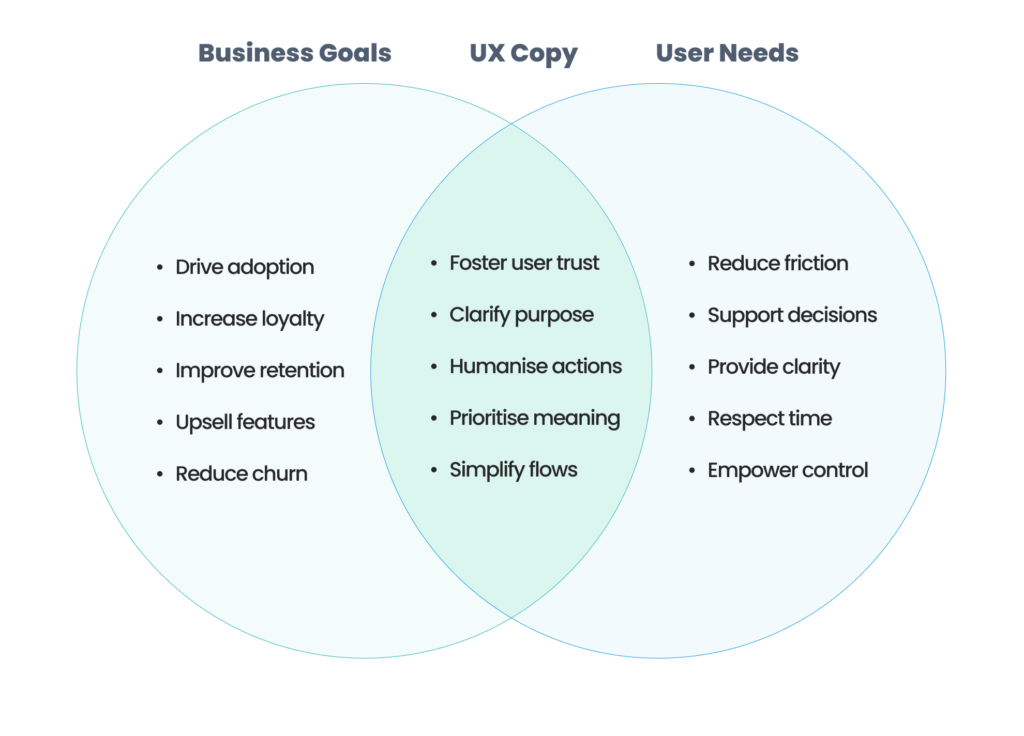
  • Trend spotters move fast: F&B sales teams wanted bite-sized insights they could turn into content or pitch decks, without the fluff or fuss, so the copy had to be punchy and skimmable, with clear labels and minimum jargon.
  • Management needs actionable intel: They were looking for data that backed up new product ideas and helped them win internal buy-in, which meant the tone had to feel confident and trustworthy without hype.
  • Execs drop in now and then: Decision makers weren’t logging in every day, but still needed the platform to deliver value fast, which called for sharp summaries, clean headlines and phrasing that respected their time.
  • Strategists thrive on detail: More technical staff were happy to explore layers of filters and long-tail trends, but appreciated a little help connecting the dots, so I used guiding language like smart tooltips, contextual hints and copy that gently nudged them forward.

USER COPY

Uncovering the distinct needs of each user segment allowed for a complete copy overhaul that resonates directly with the fast-paced food and beverage industry. The resulting copy is localised and highly scannable, mirroring the direct communication style used by professionals in the field to ensure every interaction feels natural and useful.

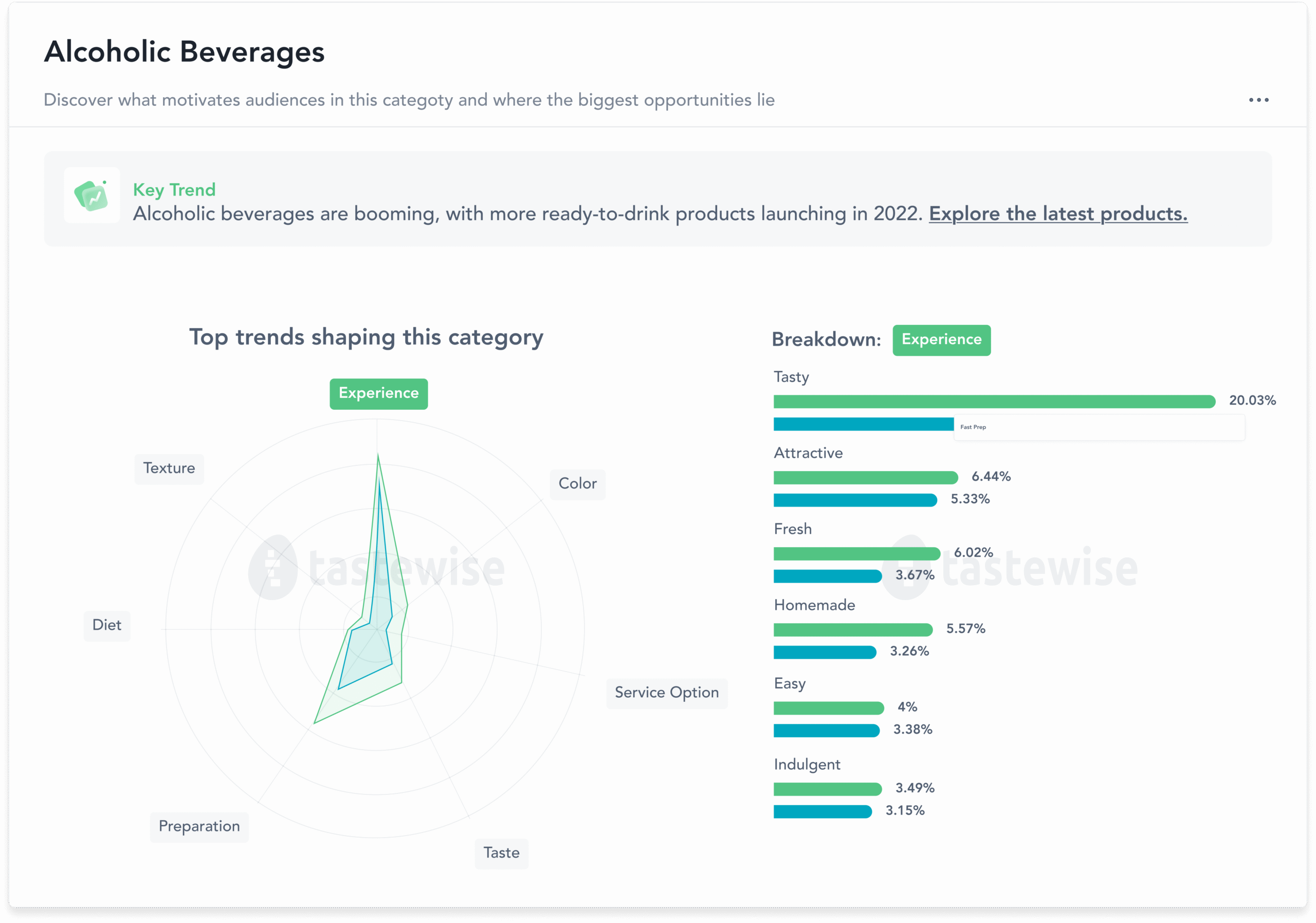
Before

After

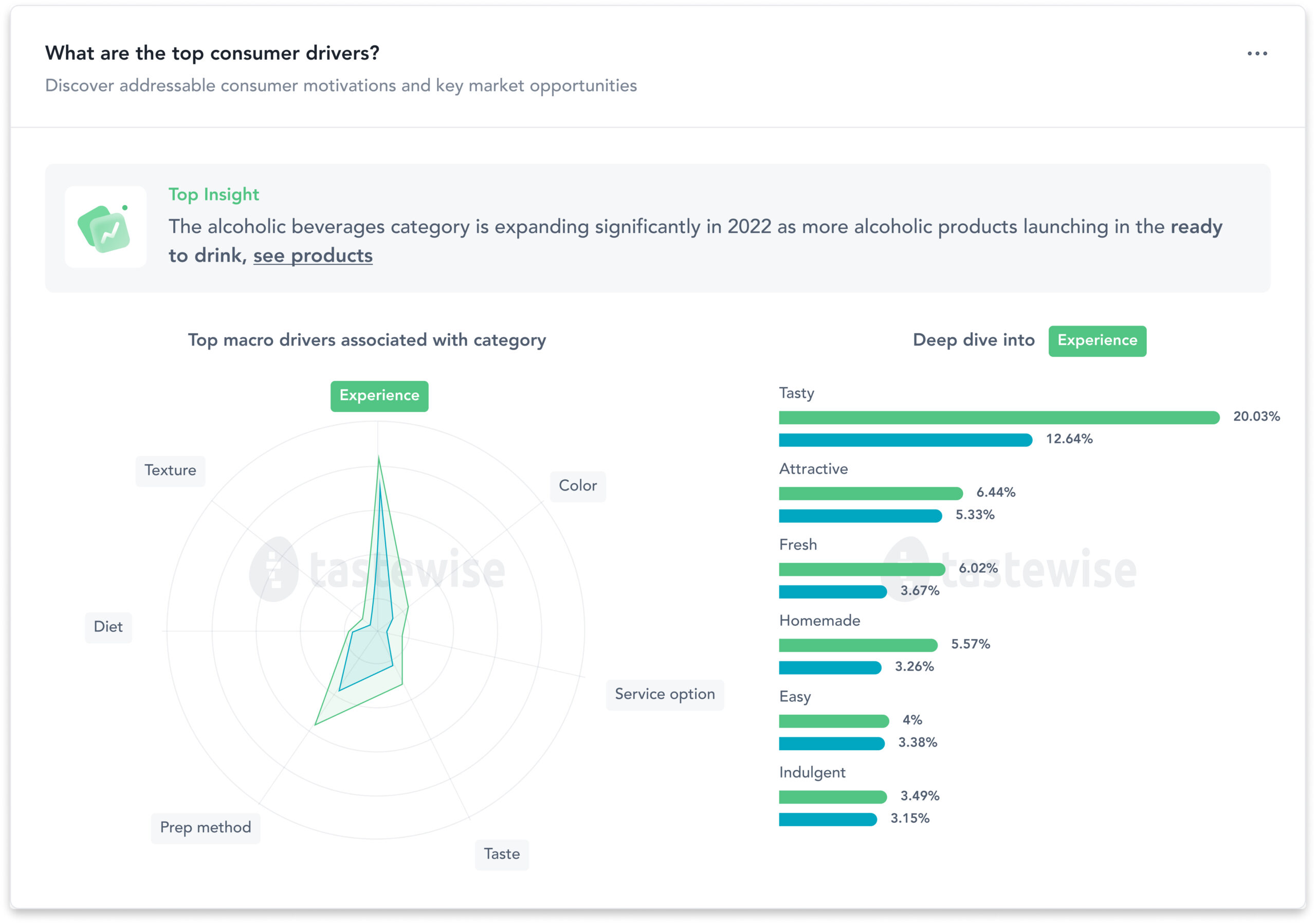
The UX copy in the “After” screen succeeds by prioritising immediate comprehension and reducing the time it takes for a user to extract value from the data. By moving away from interrogative headers, the interface feels less like a survey and more like a professional dashboard designed for decision-making.


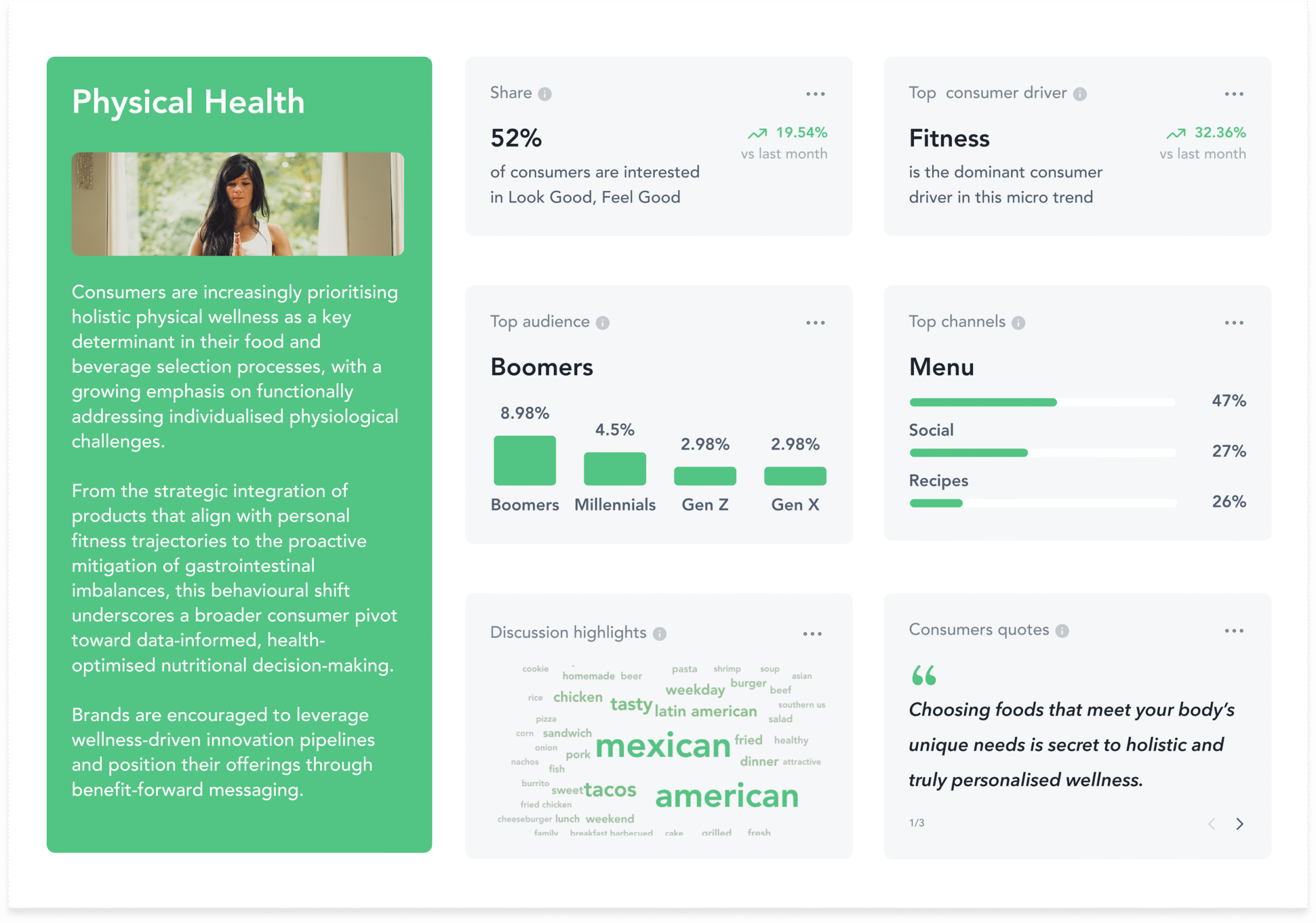
Before

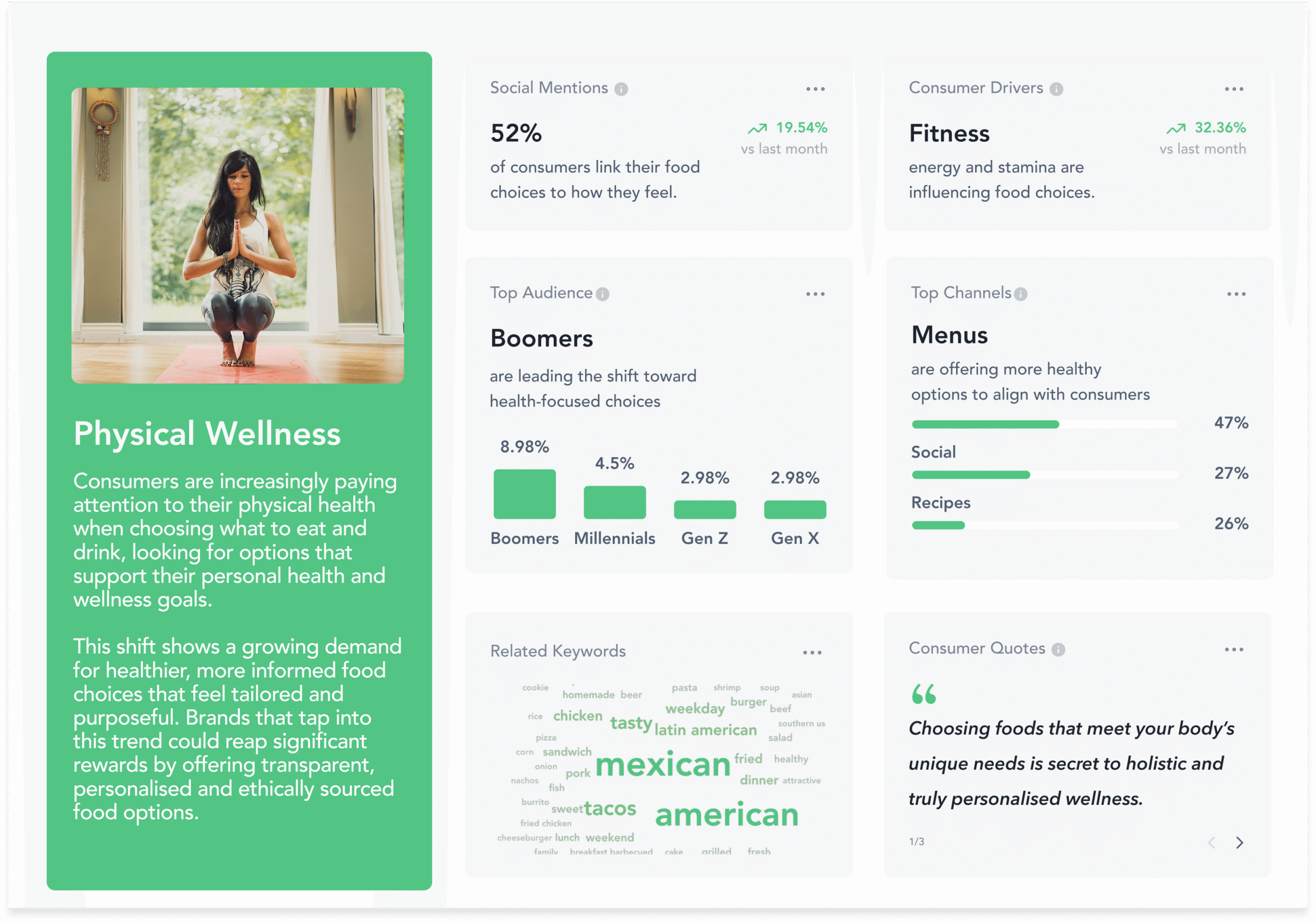
After

The updated UX copy on the “After” screen replaces a passive, text-heavy description with a direct, insight-led narrative that better serves the fast-paced food and beverage persona. By stripping away dense academic language and focusing on “Physical Wellness” as a primary category, the interface immediately signals the relevance of the data.

Before

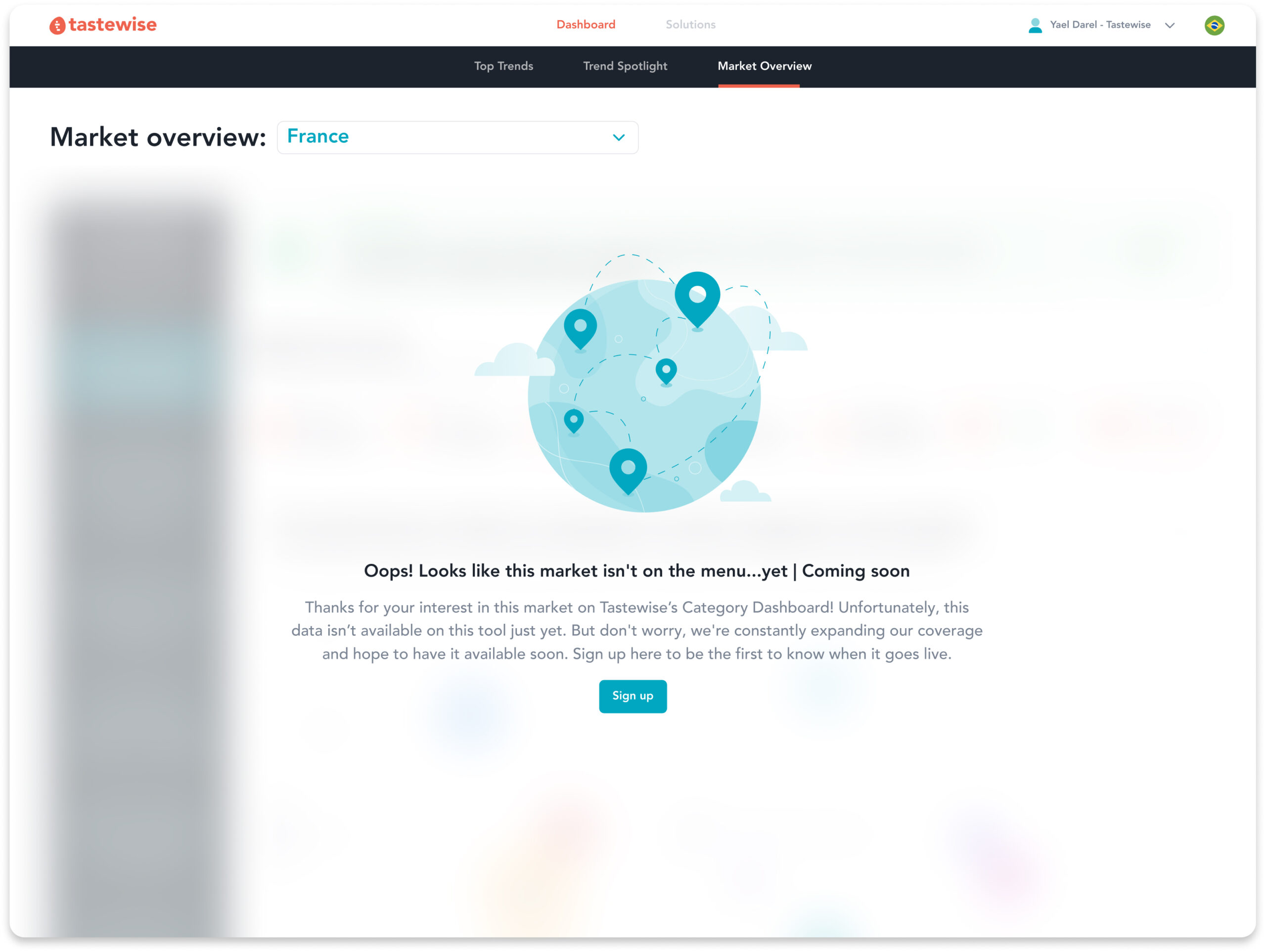
After

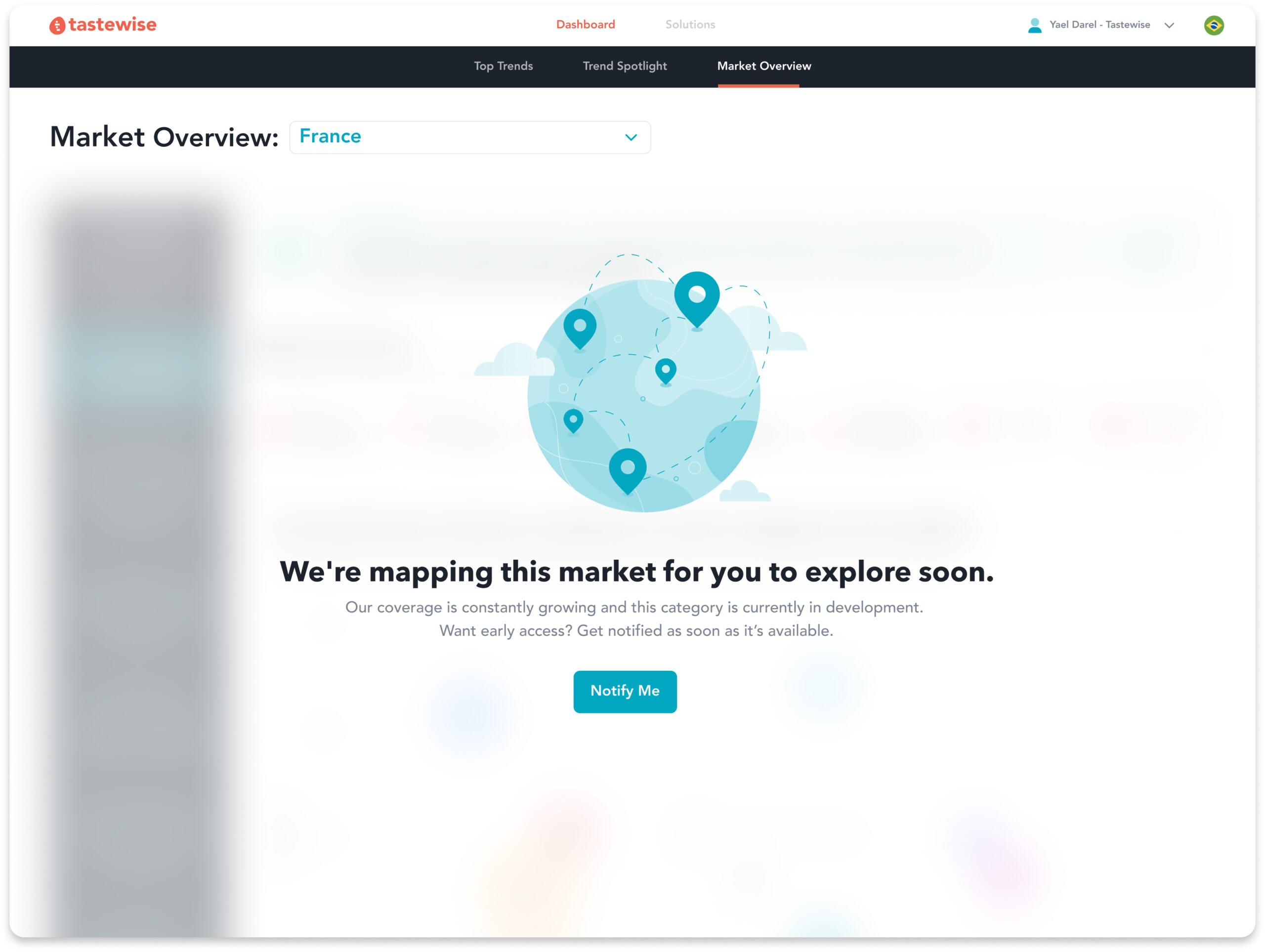
The “After” screen creates a more proactive user experience by replacing apologetic, “oops” style language with a headline that sets clear, positive expectations about future market availability. By swapping a lengthy, small-font disclaimer for a concise explanation, the copy frames the missing data as a work in progress rather than a system failure.